
Sun Moon Yoga
200 Hour Yoga Teacher Training Prospectus
Sheffield | 2026-2027

Sun Moon Yoga
sunmoonyoga.co.uk
info@sunmoonyoga.co.uk
Contents
- Course Overview
- Entry Requirements
- Course Aims and Objectives
- Learning Outcomes
1 Practical Teaching Skills
4.2 Adaptation and Learner Inclusion
4.3 Knowledge of Yoga Practices
4.4 Anatomy, Breath and Mind
4.5 Yoga Philosophy and Historical Context
4.6 Professional Practice and Business Skills
4.7 Professional Conduct and Ethics
4.8 Reflective Practice and Professional Development - Style of Yoga Taught
- Philosophical Framework
- Course Structure and Delivery
1 Course Dates
7.2 Typical In-Person Training Day
7.3 Online Training
7.4 Training Venues - Programme Content Overview
- Curriculum Structure
1 Foundations of Yoga
9.2 Asana and Movement
9.3 Pranayama and the Subtle Body
9.4 Relaxation and Yoga Nidra
9.5 Meditation and Mindfulness
9.6 Anatomy and Physiology
9.7 Teaching Methodology
9.8 Practicum and Teaching Practice
9.9 Ethics, Business and Professional Practice - Assessment and Certification
- Attendance Requirements and Catch-Up Policy
- Fees, Deposit and Refund Policy
12.1 Additional Costs
- Assessment Procedures and Reassessment Policy
- Target Participants
- Application Procedure
- Teacher Bios
1. Course Overview
Our 200-hour Yoga Teacher Training (YTT) is a comprehensive and immersive professional training designed for dedicated practitioners who wish to deepen their personal practice and/or qualify as confident, knowledgeable, and ethical yoga teachers.
This programme integrates traditional yogic wisdom with contemporary anatomical understanding, neuroscience, inclusive teaching methodology, and sustainable business skills. Graduates are prepared to teach safely, intelligently, and authentically in a range of professional settings.
This programme is under the process of being accredited Yoga Teachers Together, yoga governing body.
2. Entry Requirements
Applicants must:
- Be at least 18 years of age
- Have a minimum of three years of consistent yoga practice (any style)
- Demonstrate physical, mental, and emotional readiness for intensive training
- Be willing to engage in self-reflection, personal practice, and collaborative learning
- Have no medical conditions that would prevent safe participation (or provide medical clearance if required)
Previous teaching experience is not required.
3. Course Aims
This training aims to:
- Deepen understanding of yoga as a holistic practice and philosophical system
- Develop safe, inclusive, and effective teaching skills
- Build confidence in sequencing, cueing, and holding space
- Provide a solid foundation in anatomy, philosophy, and ethics
- Support trainees in cultivating their authentic voice as teachers
4. Learning Outcomes
By the end of the programme, graduates will be able to:
4.1 Practical Teaching Skills
- Plan and deliver structured yoga classes using safe alignment principles
- Demonstrate competent instruction of postures in professional settings
- Apply theoretical learning to practical teaching environments
4.2 Adaptation and Inclusion
- Identify individual learner needs and offer appropriate modifications
- Teach inclusively, recognising differences in ability, experience, and physical condition
4.3 Knowledge of Yoga Practices
- Demonstrate knowledge of a range of asana approaches
- Compare and evaluate different sequencing and stylistic frameworks
4.4 Anatomy, Breath and Mind
- Explain the relationship between body, breath, and mind using anatomical, neurological, and traditional yogic principles
- Apply functional anatomy to support safety and accessibility
4.5 Yoga Philosophy and History
- Describe the historical development of Hatha Yoga
- Identify major branches of yoga
- Demonstrate foundational understanding of key philosophical texts relevant to teaching practice
4.6 Professional Practice and Business Skills
- Structure classes appropriate to setting and student demographic
- Understand marketing, pricing, and professional responsibilities
- Demonstrate awareness of requirements for self-employment as a yoga teacher
4.7 Professional Conduct and Ethics
- Teach with professionalism and integrity
- Recognise and communicate professional limitations
- Demonstrate ethical awareness in teacher–student relationships
4.8 Reflective Practice and Development
- Maintain an ongoing personal practice
- Teach only practices that are personally embodied and understood
- Engage in reflective practice for continuous professional development
- Deliver safe, well-structured classes for mixed-level groups
- Confidently cue asana, pranayama, and meditation practices
- Adapt practices for diverse bodies and abilities
- Hold space ethically and professionally
- Begin teaching independently or within studios, gyms, or community settings
5. Style of Yoga Taught
This training primarily focuses on Hatha Yoga, with informed influences from:
- Functional movement
- Somatic movement
- Yoga therapy principles
- Restorative yoga
- Classical yoga philosophy
The approach is inclusive, non-dogmatic, and grounded in safe, accessible movement and breath awareness, rooted in traditional philosophy while relevant to modern practice.
6. Philosophical Framework
The course draws from classical texts such as the Yoga Sutras of Patanjali while remaining applicable to contemporary life.
Core themes include:
- Yoga as self-awareness and compassionate inquiry
- Ethical integrity (Yamas and Niyamas)
- Non-attachment and lifelong learning
- Inclusivity, accessibility, and respect for diversity
7. Course Structure and Delivery
7.1 Course Dates
2026
- 26th –27th September 2026 (In Person)
- 16th / 17th October 2026 (Online – 6 – 9pm / 9.30 – 12.30pm)
- 28th –29th November 2026 (In Person)
2027
- 16th – 17th January 2027 (In Person)
- 5th – 6th February (Online 6 – 9pm / 9.30 – 12.30pm)
- 27th –28th February 2027 (In Person)
- 19th – 20th March 2027 (Online 6 – 9pm / 9.30 – 12.30pm)
- 24th –25th April 2027 (In Person)
- 14th – 15th May (Online 6 – 9pm + 9.30 – 12.30pm)
- 26th –27th June 2027 (In Person)
- 9th – 10th July (Online 6 – 9pm + 9.30 – 12.30pm)
- 11th – 12th September 2027 (In Person)
- 8th –10th October 2027 (Residential Study Retreat)
- 27th –28th November 2027 (In Person)
7.2 Typical In-Person Training Day
09:30–13:00 Morning practice (asana, pranayama, meditation)
13:00–14:00 Lunch
14:00–15:00 Philosophy / Anatomy / Theory
15:00–16:45 Teaching methodology and practicum
16:45–17:00 Reflection
Schedule may vary depending on format.
7.3 Online Training
Online sessions will be delivered in three-hour blocks, primarily at weekends, with occasional weekday evenings. Total online contact time: 40 hours. These sessions will be delivered via Zoom. It will be necessary to have a camera and microphone.
7.4 Training Venues
All in-person weekends will be held at:
Sheffield Yoga School
South Road
Sheffield S6 3TA
Sheffield Yoga School is a fully quipped Yoga studio in Walkley area of Sheffield. You will need to bring your own food for lunch, but there are also cafes and shops nearby. Teas, coffee and biscuits will be provided.
Residential retreat (October 2027):
Unstone Grange
Crow Lane
Unstone
S18 4AL
Unstone Grange is a beautiful location for our weekend study retreat. Located in the Derbyshire countryside about a 25 minute drive from Sheffield but is also accessible by public transport.
Rooms at Unstone Grange will be shared twin or triple. We will all join in with helping to make food and clearing up after. You will be allocated a team to work with.
8. Programme Content Overview
This training offers a comprehensive and inspiring professional foundation for those wishing to deepen their practice or teach yoga responsibly and sustainably.
Graduates leave equipped with knowledge, confidence, and practical skills to teach safe, intelligent, and authentic classes.
9. Curriculum Structure
9.1 Foundations of Yoga
- Purpose and evolution of yoga
- Classical Yoga and the Eight Limbs
- Overview of the Yoga Sutras, Upanishads, and Bhagavad Gita
- Major schools of Hatha Yoga
- Yoga in contemporary society
9.2 Asana and Movement
- Standing, seated, supine, and prone postures
- Sun salutations and introductory arm balances
- Benefits, contraindications, and counterposes
- Intelligent adaptations and prop use
- Functional anatomy in practice
- Nervous system awareness
- Somatic movement principles
9.3 Pranayama and the Subtle Body
- Breath mechanics and respiratory function
- Pranayama techniques and ratios
- Autonomic nervous system effects
- Prana Vayus, Nadis, Chakras
- Bandhas
9.4 Relaxation and Yoga Nidra
- Science of relaxation
- Practical techniques
- Mind, body, emotions integration
Meditation and Mindfulness
- Foundations of meditation
- Concentration and Mindfulness practices
- Vrittis and Kleshas
- Introduction to Kriya Yoga
9.5 Anatomy and Physiology
- Skeletal and muscular systems
- Joint safety and spinal mechanics
- Injury prevention
- Anatomical variation
- Safe modification principles
9.6 Teaching Methodology
- Principles of learning and communication
- Sequencing for varied levels
- Inclusive and trauma-aware approaches
- Consent-based hands-on assists
- Voice, presence, and professionalism
- Introduction to online teaching
9.7 Practicum
- Supervised teaching
- Peer and tutor feedback
- Development of authentic teaching style
9.8 Ethics, Business and Professional Practice
- Professional responsibilities
- Boundaries and safeguarding
- Marketing fundamentals
- Pricing and insurance
- Continuing professional development
10. Assessment and Certification
Assessment is ongoing and supportive, ensuring graduates are safe, competent, and confident teachers.
Methods include:
- Supervised teaching practicums
- Written assignments and reflective journals
- Anatomy and philosophy assessments
- Professional conduct evaluation
Trainees must deliver one full 60-minute class assessed both internally and externally in alignment with YTT Schools Register requirements.
Upon successful completion, graduates receive a 200-hour Yoga Teacher Training Certificate accredited with Yoga Teacher Together.
11. Attendance Requirements
Minimum attendance: 90% of total training hours.
Missed hours must be made up via:
- Additional assignments
- Attendance at future modules
- One-to-one mentoring (additional fees may apply)
12. Fees and Payment
Total Course Fee: £2,500 (Full price)
Deposit: £350 (non-refundable unless place is filled prior to course start; £150 refundable in that case).
Payment options:
- Super Early Bird – £2200 – Full payment by 1st August.
- Early Bird – Full payment prior to start of course £2,350
- Pay in instalments – £2500 (spread over 10 months before and during the course)
- All payments above include the deposit.
We are open to negotiated instalment payments and cost if in financial hardship. Please get in touch.
If a student withdraws after the course has commenced, the deposit and any instalments paid are non-refundable.
12.1 Additional Costs
- Recommended reading materials (tba)
- Student teacher insurance
- External assessor fees (estimated up to £100)
- Emergency First Aid at work qualification (to be undertaken independently)
13. If Assessment Standards Are Not Met
Clear feedback and further support will be provided. Trainees may:
- Re-submit written work
- Re-teach assessed classes
- Undertake additional mentoring (fees may apply)
If minimum safety and competency standards are not met after reasonable support, certification may be deferred or withheld.
Student safety and the integrity of the qualification are always prioritised.
14. Who This Training Is For
- Dedicated practitioners ready to deepen their understanding
- Aspiring yoga teachers
- Wellness professionals seeking further qualification
- Individuals wishing to study yoga in depth
15. Application Process
- Complete application form
- Attend interview (online or in person)
- Receive confirmation
- Secure place with deposit
16. Teacher Bios
Eric Wilkinson
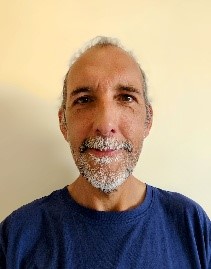
Eric is the director of Sun Moon Yoga Sheffield and is a full time Yoga and Somatics teacher and Yoga Therapist. He has over 30 years of personal practise, and 20 years teaching experience, and has trained with many world class teachers in the field of Yoga therapy.
Eric is continuously developing his knowledge and personal understanding of Yoga and is committed to teaching in a safe and professional manner with respect for the individual.
Qualifications and Professional Training
- Ba (hons) – Third World Studies – 1996
- British Wheel of Yoga Foundation Level Yoga Teacher Training (1 year) – Wendy Teasdill, Glastonbury, 2005.
- Yoga Alliance , Teacher Training (200 hour) -Steve Avian of Shama Yoga, Sheffield. 2006
- Yoga Therapy Diploma (360 hours) – Yogacampus, London (British Council of Yoga Therapy), 2013
- Corrective Exercise Specialist (NASM), 2017.
- Essential Somatic Movement Teacher Training (200 hour) – Martha Peterson, Taunton (Essential Somatics) 2020
Helena Turner
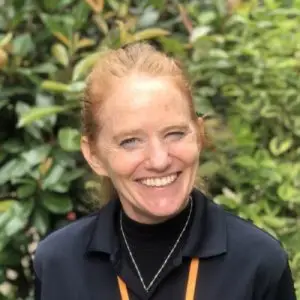
Helena has been teaching since 2007 and practising many years before. Her teaching reflects a rigorous and comprehensive approach, enriched by continued studies in mental health, meditation, pranayama and mindfulness. Alongside yoga, she practices Thai Massage and creative arts. As well as teaching many classes around Sheffield, Helena works with people living with complex injuries, believing yoga is accessible to all.
Qualifications & Professional Training
- British Wheel of Yoga Foundation Teacher Training – 2005
- Yoga Alliance Teacher Training – with Steve Avian (12-month program, 2007)
- Bihar School of Yoga – 3-Year Teacher Training Program
- Yoga and Mental Health – 6-Month Training with Amarajyoti
- Teaching Meditation – 6-Month Course with Swami Pragyamurti
- Vashita Method of Pranayama – 6-Month Training with Jeans Lavers
- Progressive Stages of Pranayama – 9-Month Course with Martaan Vermasse
- Zen: The Precepts – 18-Month Study Course
- Asana Training for Yoga Teachers – 4-Month Training with Lesley Dike
- 1-Year Advanced Study Course – with Peter Blackaby
- 18-Month Study Course – with Daniel Simpson
The Path of Knowledge: Studying the Evolution of Yoga from the Vedas to the Present Day
Lesley Dike
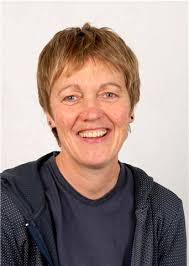
Les is a long-term Yoga teacher and highly skilled musculoskeletal physiotherapist. For many years she has used her knowledge and experience to help Yoga teachers better understand the way the body moves & functions, and to apply that understanding to their teaching. Les will be teaching the anatomy part of the course.
Qualifications
- BWY teacher (1981)
- BSc physiotherapy (1992 – first class honours)
If you have any further queries or would like to speak to us please contact through the form below or directly to:
info@sunmoonyoga.co.uk